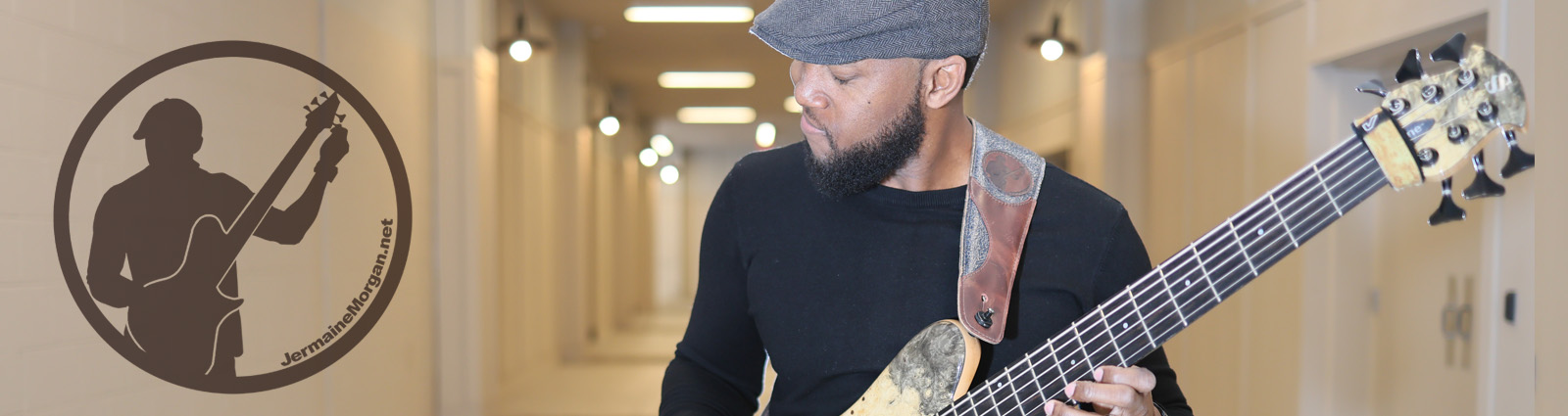

Most Creatives Learn Everything BUT The Skills Necessary For Creating Income Outside Of Gigs. How About You?
HOW MUCH MONEY HAVE YOU LOST ALREADY?
Join us for the next 3-day Music and Money Challenge and make your music start working for you.
You Ready to Accept the Challenge?
 Join Me via Live Challenge
or
Recordings Available For a Limited Time
Next Challenge Starts
May 10th - May 12th
11:00am - 12:00pm EST
General Admission
I Want In
$77
General Admission Experience
You Get
3 Days of Training with Jermaine Morgan
Access to Music and Money FB Group
10:00pm - 12:00pm EST
VIP Experience
I Want In
$197
VIP Experience
You Get
3 Days of Training with Jermaine Morgan
Access to M&MC FB Group
VIP Backstage Pass to The Zoom Q&A as Jermaine answers questions to VIP Ticket Holders ( 1hr of additional training each day)
Bonus Materials
Challenge What You Think You Know
Do you think that it's time to finally take this thing seriously to truly find out what you have inside?
3 Day Commitment
1-2 hrs per day for 3 days. Soak up as much as you can.
Finally Hear Your True Sound
Level up your playing by growing your vocabulary and building your groove.
This Class Is for Bass Players
Whether you are just getting started or if you've been at it for a while, this class will raise the bar of what you know.
From Last Pick To First Pick
By Jermaine Morgan
Introduction
It would be very easy for me just to write a lot of words and give you a bunch of information in the hopes that it would magically change your life. However, I feel it would be better to give you context about who I am and explain how I know firsthand that this information works.
I’ve been a musician since the age of 12. I did come from a musical family, but by no stretch of the imagination did I start out as a musical genius, at least from my standpoint, I didn’t. Like many of you reading this, I had tons of struggles trying to figure out how to really play bass, in addition to multiple instruments. Nonetheless, through perseverance, I figured it out.
Not only did I figure it out, but I also figured out how to have a successful music career that literally allowed me the opportunity to take care of my family as a working musician. As we travel through these practical steps in this book, I’ll give you bits and pieces of my story as it pertains to each topic that helped me along my journey.
Here’s the thing: having musical talent does not automatically guarantee that you will achieve any real musical success. What I’ve learned for sure is that it takes hard work, dedication, and perseverance. The other thing I’ve learned is that hard work and dedication without direction can often end in frustration, not success.
My goal in this book is to give you very practical steps that will help you refocus your energy and ultimately go from a last-pick to a first-pick musician.
“Whatever you do, work heartily, as for the Lord and not for men,” -Colossians 3:23
1 Setting the Foundation: Building a Strong Musical Identity
OK, let’s get right to it.
Almost everyone already knows that the bass is often considered the foundation of the band. However, with social media, YouTube, and all the like, sometimes that bit of information gets lost.
Just for the sake of argument, let’s talk about foundation. Generally speaking, foundation is what holds everything together. If anyone desires to build a home, an office building, or a structure of any kind, they must first have a solid foundation. Without a solid foundation, it all falls. You can ask any contractor, architect, or anyone who’s involved in building anything worthwhile, and I’m sure they would all say it’s the most important thing.
In like manner, that also must mean that the bass line has to be solid all the way around. In essence, the secret sauce is how you approach the bass line while playing it in its entirety and detail.
You can think of a bass line this way: it’s oftentimes the glue that holds the song together. When it comes to the group, you have two main components most of the time. Those two components are usually the bass and the drums. There’s a special marriage that happens between those two instruments that is oftentimes indescribable. I can tell you from experience, there’s nothing like playing with a great drummer who understands the pocket and knows when and where to be expressive.
Well, it’s the same for us as bass players. We have to understand the groove, the pocket, and know those special moments when and where to add the runs, riffs, or fills. In addition, it’s about understanding those times when you don’t need any of that. At those times, we can simply play the meat and potatoes of the groove.
If we’re talking about popular music, several songs come to mind where, when you think of the song, you automatically hear the bass line. One example is “Papa Was a Rolling Stone.” As soon as you think of that song, the first two notes are usually the first thing that comes to everyone’s mind. Of course, those first two notes are the bass line.
In other instances, the bass line is not as noticeable but is equally important in holding the idea and identity of the song together.
That’s why I believe it’s important to discover our own personal musical identity when it comes to the bass guitar. I would assume that you probably already know how to play if you’re reading this book. However, the challenge might be that you don’t yet have a really strong musical identity.
What do I mean by this?It simply means that people don’t recognize your sound as soon as they hear it. This can be a problem because it can cause you to get lost in the shuffle. If you live in a very musical city, where there are tons of bass players or bass player options available, then it can be very competitive to stand out— unless you have a strong musical identity.
Here are four characteristics that can make up a strong musical identity:
- Distinctive Tone:
- Consistent Groove:
- Melodic Expression:
- Authentic Style:
A unique and recognizable sound that sets you apart from others. This can be achieved through your choice of instrument, amp settings, effects, and playing technique.
A strong sense of rhythm and timing that makes you a reliable foundation for any band or musical setting. This involves developing a deep understanding of various genres, styles, and rhythmic feels.
The ability to create memorable and singable bass lines that complement the melody and add depth to the music. This requires a strong sense of melody, harmony, and phrasing.
A blend of influences, experiences, and personality traits that shape your playing and make you authentic. This involves embracing your musical roots, exploring new ideas, and staying true to yourself.
I can tell you from experience: if you focus solely on the things we discussed in this chapter like setting a strong foundation and developing a strong musical identity you’re almost guaranteed to start getting more calls as a bass player, even without moving on to the remaining chapters of this book. However, I’m sure you’re not satisfied with just getting more calls. You’re looking to be one of the best, right?
Let’s keep learning and growing.
“Do what you can, with what you have, where you are.” - Theodore Roosevelt
2 Groove Academy: Mastering the Art of Playing in the Pockety
In Chapter One of this book, I briefly mentioned the pocket. There are many layers to understanding pocket playing. In this chapter, we will explore many of these layers and what that looks like for you as a complete bass player.
Let’s start here with three tips for developing a strong pocket on bass guitar:
- Listen and Lock In:
- Practice with a Metronome and Drum Machine:
- Play with a Drummer:
- Don’t overplay:
Your ear training will be crucial as you move forward. Listen to recordings of great bassists and drummers, focusing on how they play together. Try to internalize the feel and timing of their pocket. Then, practice playing along with these recordings, aiming to lock in with the drummer’s groove.
At the time of writing this book, I’ve been teaching bass for nearly 20 years. Many of you may have discovered me through my bass lessons, which I’ve taught on YouTube for nearly 10 years now.
I mention this because I came up with a concept called The Three Levels of Learning. Anyone who has watched more than one of my videos has likely heard me speak about this concept. For the sake of discussing listening and locking in, we can also refer to it as The Three Levels of Listening.
I often teach my students that the first level of learning is simply learning the meat and potatoes of the groove, just enough to get through the song. The second level is learning the details of the groove and understanding how the song is moving. The third level is going back and listening to all the special things that are happening such as the slides, fills, and licks that the bass player adds throughout the song. The bass player navigates from one note to the next. In other words, all of the fine details that most people ignore when learning songs.
When we apply the 3 levels of learning, that’s when we truly learn how to duplicate the “secret sauce” of the players we’re studying.
You might be saying, I don’t want to duplicate anyone else, I just want to be myself. You’re absolutely right! Here’s the thing though, I had to learn this early on as a bass player who wanted to get more gigs: stop trying to reinvent the wheel. You simply take and learn from the greats who’ve already done the thing that you are trying to do. The intention is to learn the concept and apply it to what you already know. Doing this will keep you from becoming a copycat.
There’s a big difference between learning concepts and learning to copy.
Using a metronome and drum machine, practice playing along with a steady beat, focusing on playing precisely on the click. Start with a slow tempo and gradually increase the speed. This will help you develop a strong sense of timing and pocket.
A big part of a good feel is having a good sense of timing and rhythm. In your own practice time, you have to use your imagination as you develop your technical skills. In my opinion, there’s a lot of wiggle room when you use a metronome or a drum machine. The main objective, of course, as I said earlier, is simply locking in and keeping the time, making sure that it doesn’t move. Your other goal is to try to be creative and subdivide the time with notes, etc. In other words, learn to play in between the beats while keeping the groove.
Its essential to developing a strong pocket. Focus on listening to the drummer’s cues, such as the snare drum and kick drum, and respond accordingly. Practice playing with different drummers to adapt to their unique feels and styles.
So, keeping with the theme of using your imagination while practicing, you want to do the same thing when you’re playing live with a drummer. Use your imagination. I can’t emphasize this enough. Your imagination and creativity give you the ability to continue developing a strong musical identity while strengthening your pocket.
“Pocket” is one of those terms you often hear thrown around by seasoned musicians. It also has many layers that are often unexplored. For seasoned professionals, it’s just understood.
The pocket is different in each music genre you play. For example, in a country song, your pocket may simply be playing the 1-4-5-1 progression with no added feels of any kind. In jazz fusion or a gospel song, your pocket can be a bit busier, where you’re not only playing notes, but also adding filler notes in addition to the root. It all depends on the context of the music genre.
If this is the first time you’re hearing this information and it sounds a bit overwhelming, don’t worry. That’s why I mentioned listening earlier, in addition to dealing with the three levels of learning. This helps you capture all the details you need for any given genre of music you’ll play.
Lastly, remember not to overplay. Throughout this book I encourage musicians to explore musical options and different ways of expressing themselves musically. However, you never need to compromise the integrity of the music for the sake of expressing yourself. As a bass player, one of the most crucial things to master is restraint. Overplaying can quickly clutter a song and overshadow other instruments, losing the groove and balance that make music great.
By playing with intention and knowing when to hold back, you create space for the music to breathe, allowing each element—vocals, guitars, drums—to shine. Less is often more on the bass; a well-placed note or subtle groove can define a track or live performance just as powerfully as a flashy solo. The key is to serve the song, not yourself, and trust that simplicity can be just as impactful as complexity.”
Remember, developing a strong pocket takes time and practice. Focus on building your timing, listening skills, and ability to adapt to different feels and styles.
“It always seems impossible until it’s done.” - Nelson Mandela
3 Tone Titan: Unlocking Your Unique Sound
Let me open this chapter by saying this: I had no clue about tone when I started playing bass. As a matter of fact, it was years before I even understood how to set up my bass. As a result, it took me a while to really establish my voice as a bass player. I don’t want you to have to suffer in the same area, so in this chapter, I intend to give you practical steps that will help you better develop your own tone and your unique sound.
Maybe you’re someone who is already a tone geek, and you know how to get a good sound from your bass. The question now becomes whether or not you have a distinct voice when people hear you play.
Let’s start with a few technical tips for developing great tone on bass guitar:
Know Your Instrument: Understand your bass’s electronics, pickups, and tone controls. Experiment with different settings to find the tone that suits your playing style and music genre. Consider upgrading your pickups or electronics if needed.
Obviously, I wouldn’t know the type of electric bass you play, but at the core, they’re all going to be comprised of very similar electronics. Let’s dig a little deeper into the electronics of the bass.
Here are 3 different styles of potential bass EQ tone controls that are standard for bass guitar:
1. 3-Band EQ: A standard 3-band EQ typically features:
- Bass (low-frequency) control (e.g., 50-100 Hz)
- Midrange control (e.g., 200-500 Hz)
- Treble (high-frequency) control (e.g., 2k-5k Hz)
2. 4-Band EQ: A 4-band EQ adds an additional control, often for the upper-midrange frequencies:
- Bass (low-frequency) control (e.g., 50-100 Hz)
- Low-midrange control (e.g., 100-200 Hz)
- High-midrange control (e.g., 500-800 Hz)
- Treble (high-frequency) control (e.g., 2k-5k Hz)
3. Active/Passive Tone Controls: Some basses feature active/passive tone controls, which include:
- Active Bass and Treble controls (e.g., +/- 15 dB boost/cut)
- Passive Tone control (e.g., a single tone knob that rolls off high frequencies)
These styles of EQ tone controls can vary depending on the bass guitar model and manufacturer.
It’s not always necessary to purchase a new instrument just because you’re not satisfied with the sound. In my opinion, learning how to develop a great tone on a cheap or poorly crafted instrument often strengthens your ear and improves your ability to create good tone.
Choose the Right Strings: Strings have a significant impact on tone. Experiment with different types (roundwound, flatwound, halfwound), materials (nickel, stainless steel, synthetic), and gauges (thickness) to find the perfect balance of tone, sustain, and playability. An inexpensive way to do this is by simply visiting a music store and trying out different basses. You can also ask questions to professional bass players you know personally. Be sure to leverage resources like YouTube and listen to reviews about various string types.
Dial in Your Amp and Effects: Your amp and effects chain can make or break your tone. Experiment with different amp settings, EQ, and effects (such as compression, overdrive, and EQ pedals) to find the perfect balance of warmth, clarity, and punch. Consider using a direct injection (DI) box for a clear, consistent tone. These tools can be extremely helpful when learning to produce a good sound while recording.
Additionally, consider the following general tips:- Use a high-quality cable and instrument interface
- Keep your bass and amp well-maintained
- Experiment with different playing techniques (fingerstyle, slapping, picking) to find your unique tone
Remember, great tone is subjective, so trust your ears and experiment to find the tone that works best for you!
Achieving a standard bass tone.As a top-tier bass player, certain things go without saying. Here’s what I mean: As you progress in your career, you may find yourself in situations where producers, artists, or even music directors require a specific sound in the production or performance. In most cases, they will expect you to know how to achieve that sound. It’s not enough to simply bring the right bass; you must also know how to produce the correct sound.
Here are three different tone knob combination options that are common for most bass guitars:-
Option 1: Classic Rock Tone
- Volume: 75%
- Bass: 50%
- Treble: 25% This tone combination provides a balanced sound with a slight emphasis on the low-end, perfect for classic rock and blues styles.
-
Option 2: Slap Bass Tone
- Volume: 80%
- Bass: 30%
- Treble: 60% This tone combination accentuates the high-end frequencies, providing a bright and aggressive sound ideal for slap bass and funk styles.
-
Option 3: Vintage Jazz Tone
- Volume: 70%
- Bass: 60%
- Treble: 40% This tone combination produces a warm, rounded sound with a strong emphasis on the low end, reminiscent of vintage jazz and acoustic bass tones.
Obviously, these tone settings may vary depending upon your bass and your touch.
Developing your own unique sound. Here are 3 tips for developing your own unique sound on bass guitar:
- Tip 1: Experiment with Unconventional Techniques (Think outside the box.)
– Try using unusual playing techniques like tapping, slapping, or using a slide to create distinctive tones and textures.
– Experiment with different tunings or alternate tunings to expand your sonic palette.
– Incorporate effects pedals or processing techniques to add depth and character to your sound.
There’s a bass player who is known for his unusual playing techniques—Dwayne Thomas Jr., better known as MonoNeon. I mention Mono simply because he’s a great example of thinking outside the box, and he also documented his progress as a developing bassist on YouTube. So that might be a great resource for you to look him up and check out the unconventional methods he used in developing his famous sound. - Tip 2: Study and Incorporate Non-Bass Influences
– Draw inspiration from other instruments, such as piano, guitar, or drums, to develop unique melodic and rhythmic approaches.
– Study the work of non-bass instrumentalists, like saxophonists or trumpeters, to learn about phrasing, tone, and expression.
– Incorporate elements from different genres, such as jazz, funk, or electronic music, to add complexity and interest to your playing.
- Tip 3: Focus on Tone and Dynamics
– Develop a keen sense of tone and dynamics by experimenting with different pickups, amps, and settings.
– Learn to control your dynamics, playing with subtlety and nuance to add emotional depth to your music.
– Practice playing with different tonal colors, from smooth and rounded to bright and aggressive, to expand your expressive range.
- Additionally, consider the following:
– Practice regularly to develop your skills and musicality.
– Record yourself to analyze and refine your sound.
– Collaborate with other musicians to learn from their perspectives and approaches.
– Stay open to new ideas and inspiration, and be willing to take risks and try new things.
“If you can survive your own thoughts, you can survive anything.” - Unknown
4 The Musician’s Mindset: Developing a Growth Mindset for Success
Here are four components for developing a mindset for musical success as a bass player and musician:- Growth Mindset:
Embracing challenges, persisting through obstacles, and continuously seeking improvement. This involves being open to learning, taking risks, and viewing failures as opportunities for growth.
I will say this: a growth mindset must be developed. It doesn’t simply happen by osmosis. Being born and raised in a small rural area, where there weren’t many venues, the mindset of most musicians wasn’t focused on long-term music success. Most musicians played music as a hobby, rather than as a livelihood, as one might in a bigger city. This created a complacent mindset with regard to musical success. Most musicians did just enough to land the gig and get through it. It was rare to find someone who actually pushed the boundaries of their musical expertise to become great.
Moving to a big city was a rude awakening for me personally. I quickly realized that my work ethic had to increase if I was going to compete in a city where people played to eat, not just as a hobby.
I’ll never forget talking to a now friend of mine, who was a prominent musician in the city at the time, about hiring me to play for some of his local gigs. He turned to me and answered by saying “You’re not good enough”. His answer was blunt, to the point, and it cut deep. You’d have to know his personality to know that he meant no harm. He was just brutally honest about those types of things. Regardless of how it made me feel, it was the truth. I wasn’t ready for the types of gigs that he was doing at that time.
So this challenge actually presented me with an opportunity to grow and become better. He didn’t know this, but I said to myself, “No one will ever say that to me again”. Please understand that this statement was not from a spiteful place, rather a place of certainty. That encounter helped me to know for sure what the problem was, and I knew I needed to do something to fix it. I accepted the challenge to grow and become better.
- Positive Self-Talk and Confidence:
Cultivating a supportive inner dialogue, focusing on strengths, and developing self-assurance. This involves setting realistic goals, celebrating achievements, and overcoming self-doubt.
Along the way as I ventured to become a better bassist, I was often faced with many challenges. As a man of faith, I understand that there should be a certain way that we speak concerning ourselves. Nonetheless, that often gets lost in the ups and downs of life. It can definitely happen when you are all out of sorts in life and you don’t have a good routine. Somewhere along the way I started listening to motivational speakers in addition to reading my bible, and that helped me to start developing a better daily routine.
Through this development, I started to become aware of my self-talk. I would often notice that it was very negative and pessimistic. Little by little I began to replace those negative thoughts and statements with positive ones. It has made all the difference in my playing and my overall confidence. I’ve heard this great quote that says, “You are the only one who hears every word that you say”. So say the right stuff to you, so that you can build the necessary confidence that you need.
You might ask, can speaking positively to myself can really make that big of a difference? My answer is absolutely! To reiterate, speaking positively to yourself is a powerful and underused tool for building self-confidence and discipline that can impact nearly every area of your life. As a result, you’ll be more likely to set and achieve goals (like becoming a first pick bassist), develop healthier habits, and cultivate meaningful relationships. Your self talk can become contagious. Not only do you start expecting more from yourself, but you also begin to better see the potential in those around you.
Setting Realistic Goals- You should always be making reasonable progress in a measurable amount of time. i.e. If you say “for the next 2 months I’m going to dial in on strengthening my groove playing”, then measure it. Here’s how. Record yourself playing a simple groove or song. Next, dig in on concepts and practices targeting that specific area. After about 2 months record yourself playing the same song or groove. You should hear noticeable growth. Compare the two recordings and write down the noticeable similarities and differences. You can apply this principle to any area of your musicianship and simply repeat the process.
Setting realistic goals is essential, but it’s equally important not to let them limit your potential. By pushing the boundaries of what you think is possible, you open yourself up to new opportunities and experiences that can propel you forward. Instead of boxing yourself in with rigid expectations, focus on exploring possibilities like playing things outside your comfort zone and identifying the steps you can take to achieve them.
This mindset allows you to stay adaptable, innovative, and motivated, even in the face of challenges. You’ll begin to see your confidence rise more and more in situations that used to intimidate you. By continuing this and embracing the unknown, you’ll be surprised at what you can accomplish and the growth you’ll experience along the way. It’s about striking a balance between being practical and being bold, and trusting that you have the ability to achieve great things.
- Resilience and Adaptability:
Developing coping strategies for dealing with criticism, rejection, and uncertainty. This involves learning to bounce back from setbacks, being flexible in changing situations, and finding opportunities in unexpected challenges.
As a musician, you gotta have tough skin. If you’re going to work in any industry of music it’s required. You cannot wear your emotions on your sleeve. I could’ve easily taken the words of my friend as an opportunity to quit all those years ago. Let’s be honest, I was already dealing with self-doubt and fear of failure on a daily basis. Nonetheless, in some kind of way I learned resilience. Maybe it came from my upbringing or just life in general. Either way I had to continue to learn how to deal with criticism, rejection, and uncertainty. Life as a musician is full of these things.
- Purpose and Passion:
Connecting with your “why” and maintaining a deep love for music and playing the bass involves identifying your values, setting meaningful goals, and finding joy in the process of creating and performing music.
Having a good “why” and never losing it will be crucial for a long lasting career as a musician. Here’s what I mean. I started playing music around the age of 12. Initially, it was something that I was beginning to develop a passion for because of my musical family. I grew up in church, and I’ve always played for the church for as long as I can remember. Nonetheless, as I grew older and continued to grow in my skills, my “why” began to be defined.
Music has always been a form of offering my gifts back to God. Even though I didn’t fully understand what that meant, I could still feel some type of connection to God when I played music. The older I’ve gotten, my “why” has now been more and more refined. I now understand how necessary it is for me to offer this gift to God for his glory. “Whatever you do, work heartily, as for the Lord and not for men,” -Colossians 3:23
There was a time that I played for people hoping to gain their approval. That can become a worthless pursuit and sometimes an emotional roller coaster ride. People can like you today and hate you tomorrow. So for me personally, learning to allow everything I do to be Christ centered is much more gratifying.
I understand that not everyone will subscribe to this type of philosophy. Whatever you land on just be sure that your “why” is there, because in the tough times you’ll need it.
“I can do all things through Christ which strengthens me.” - Philippians 4:13
Celebrate Achievements Small wins count! After completing the above steps and you can hear or see noticeable growth, celebrate that achievement. Give yourself credit for what you are doing. By doing this, you will begin to give yourself the necessary motivation you need to keep momentum.
“It is never too late to be what you might have been.” - George Elliot
5 Fretboard Mastery: Unlocking the Secrets of the Bass Neck
Here are four key components for mastering the fretboard in bass playing, applicable to any genre:
- Fretboard Navigation:
Understanding the layout of the fretboard involves memorizing the notes on each fret and string, as well as recognizing common patterns and shapes, including note positions and intervals. In addition to understanding the layout of the fretboard, we need to dig into an even more basic understanding of the notes. From my years of teaching, I’ve found that many bass players are not entirely clear on understanding all the notes.
Let’s break it down:The 7 Natural Notes
- There are only 7 natural notes in music, which are:
A, B, C, D, E, F, and G
- A# is equivalent to Bb
- C# is equivalent to Db
- D# is equivalent to Eb
- F# is equivalent to Gb
- G# is equivalent to Ab
- Learn the natural notes: Start by memorizing the 7 natural notes (A, B, C, D, E, F, and G) on the fretboard.
- Understand sharps and flats: Recognize how sharps and flats alter the natural notes. For example, if you know where the natural note ‘C’ is, you can find C# (or Db) by moving up one fret.
- Focus on patterns: Instead of memorizing individual notes, focus on patterns such as scales, arpeggios, or chord shapes. These patterns will help you navigate the fretboard more efficiently.
- Practice, practice, practice: The more you practice, the more comfortable you will become with the fretboard.
- Start with the basics: Focus on learning the natural notes and basic patterns.
- Use visual aids: Draw diagrams or use apps to help you visualize the fretboard.
- Practice scales and arpeggios: These exercises will help you develop finger strength and improve your navigation skills.
- Learn songs: Apply your knowledge by learning songs that challenge you to navigate different parts of the fretboard.
- Use your ears: Never underestimate the power of your ears. Continue to develop your hearing by always listening for details in music and memorizing what the pitches sound like. (This may take a bit more time, but it’s well worth it.)
These notes repeat in a cycle, forming the foundation of music theory.
- Sharps (#) and Flats (b)
-
To create more variety, sharps (#) and flats (b) are used to alter these natural notes. Sharps raise the pitch, while flats lower it.
For example:
If you have been playing for a while then this should all make sense. If you’re new to music or bass then this might be new information. When I mention raising or lowering the pitch, I’m simply referring to sliding your fingers up closer to the bridge to raise the pitch. However, sliding your finger towards the tuners or headstock lowers the pitch.
Navigating the Bass FretboardTo navigate the bass fretboard, focus on the following:Tips for LearningBy following these tips and practicing regularly, you’ll become more comfortable navigating the bass fretboard and understanding the relationships between notes.
- Scales and Arpeggios:
Master the major and minor scales, modes, and arpeggios in various positions and keys. This will provide a foundation for improvisation, soloing, and creating bass lines. There are typically 4 scales that I tend to tell my students to become very familiar with. These scales include the major, minor, major pentatonic and minor pentatonic scales. By mastering these 4 scales you can play any mainstream song in any genre.
- Chord Tones and Harmony:
Understand how chords are constructed and recognize chord tones (root, 3rd, 5th, 7th) on the fretboard. This will enable you to play chord progressions, create harmonically rich bass lines, and improvise over complex chords. Many bass players tend to stay away from recognizing chord tones simply because they don’t often see the value in learning these things. Nonetheless, your ability to hear and understand chord tones will give you a great advantage when choosing what notes to play when you feel the need to be creative.
- Finger Independence and Dexterity:
Develop the technical skills needed to play accurately, smoothly, and efficiently. This includes exercises for finger strength, coordination, and agility, as well as techniques like legato playing, tapping, and slapping (depending on the genre).
The time you spend practicing each of these four things must be intentional. Not only does your practice time need to be intentional, but you also have to deliberately apply these skills when you’re playing, so you can become more aware of what you’re playing and the skills you’re developing.
By focusing on these four components, you’ll be well on your way to mastering the fretboard and unlocking your full potential as a bass player.
6 Rhythm Section Lock: Playing with Drummers and Other Musicians
Here are three tips for locking with the rhythm section as a bass player:- Listen to the Drummer’s Kick Drum: The kick drum is the foundation of the rhythm section. Listen to its tone, timing, and dynamics. Play your notes in sync with the kick drum, focusing on the attack and decay of the sound. Doing so will help you develop a strong, cohesive groove.
- Feel the Hi-Hat’s Rhythmic Pulse: The hi-hat provides the rhythmic pulse and forward motion. Listen to its rhythmic pattern, accents, and dynamics. Play your notes in relation to the hi-hat’s rhythmic pulse, using it as a guide for your timing and phrasing.
- Play Off the Snare Drum’s Backbeat: The snare drum’s backbeat (beats 2 and 4 in a 4/4 time signature) provides rhythmic contrast and tension. Play your notes in relation to the snare drum’s backbeat, using it as a reference point for your rhythmic placement and accenting. This will help you create a strong, driving groove.
As a bass player, being part of a tight and reliable rhythm section is crucial for creating a compelling and dynamic sound. Synergy between the bass, drums, and other rhythm instruments is key to locking in a tight groove that elevates the entire band. When each player is attuned or musically aware to the others, responding to subtle cues and nuances, the music takes on a life of its own.
This synergy allows the rhythm section to become a unified force, driving the song forward with precision and feel. This is extremely important in church and other spiritual settings. By developing a deep understanding with your fellow musicians, you’ll be able to anticipate and complement each other’s playing, creating a powerful and infectious sound that draws the listener in and ultimately shifts the atmosphere.
So now the question is how do we better develop synergy? Good synergy between the rhythm section in a band is developed through a combination of musical chemistry, communication, and a strong relationship that extends beyond the stage. When bassists, drummers, and other rhythm players spend time together, sharing ideas and building trust, it translates to a more cohesive and dynamic sound.
Regular rehearsals, jamming, and active listening help to develop a deep understanding of each other’s playing styles, allowing the rhythm section to anticipate and respond to each other’s nuances. But it’s not just abou the music – it’s about building a strong bond, understanding each other’s personalities, and learning to work together as a unit. When the rhythm section is connected on a personal level, the music becomes more than just notes – it’s a living, breathing entity that pulses with energy and emotion.
If you’re someone that’s on the outside trying to get in, you might want to consider asking to sit in with local trusted musicians, or your church band rehearsals if they will allow it. You might be surprised at what you’ll learn by simply being a “fly on the wall”. Some bands may have closed rehearsals, so this might prove to be difficult at first, but with persistence you’ll make it happen. Going back to the mindset development that we talked about in the previous chapter, you have to continue to believe that someone out there is willing to connect and give you a shot.
Learn all the parts of the songWait! Before you put this book down and say that I’m nuts, give me a second to explain what I’m actually saying. As a bass player, understanding the various components of a song is crucial for creating a cohesive and impactful performance. While you don’t need to be a master of every instrument, having a sense of how each part functions within the song allows you to better lock in with the rest of the band.
By paying attention to the roles of the drums, keyboards, guitars, and other instruments, you can identify key rhythmic and harmonic elements that inform your own playing. This understanding enables you to provide a solid foundation, complement the melody, and add depth to the overall sound. By developing your ears and learning to hear the different parts of the song, you’ll become a more effective and dynamic bassist, able to support and elevate the music in meaningful ways.
Learning all the parts of a song not only enhances your playing, but also opens doors to new opportunities. By understanding the roles of each instrument and vocal part, you’ll develop a holistic view of the music, allowing you to make informed decisions in the moment as a musician. In other words this will definitely help you to develop great placement for your fills, riffs, and runs. This knowledge can also lay the groundwork for becoming a music director, where you’ll oversee the entire musical aspect of a production. Additionally, it can prepare you for producing live shows, where you’ll be responsible for shaping the sound and direction of the performance.
By expanding your skillset, you’ll not only become a more dynamic bassist, but also create new streams of revenue as a musician, such as music direction, production, and potentially even arranging or composing. This versatility can lead to a more sustainable and fulfilling career, and allow you to stay creatively engaged and challenged. I can honestly say from experience that having a broader understanding of music rather than just bass playing has created many incredible opportunities for me in my own career.
Additionally, remember to:- Communicate effectively with the drummer and other rhythm section members.
- Develop a strong sense of timing and rhythm.
- Be flexible and adaptable to changing rhythmic landscapes
As a bass player, adapting to changing rhythmic landscapes in gospel and popular music requires a combination of ears, flexibility, and practice. Start by developing a strong sense of the song’s core rhythm and feel, then be prepared to adjust your playing to fit the style and genre. In live situations, especially in church, the feel of the song can switch depending on what’s happening in that moment. You definitely want to listen to the drummer, keyboardist, and other rhythm players, and respond to their cues and rhythmic motifs (or patterns).
In gospel music, this might mean incorporating traditional rhythmic patterns like the “shuffe” or “push” feel, while in popular music, you might need to adapt to more contemporary styles like trap or electronic dance music. By staying alert, being open to new ideas, and practicing with a variety of rhythms and styles, you’ll be able to navigate changing rhythmic landscapes with confidence and creativity.”
I’m sure that some of these concepts may sound a bit foreign to you if you’re new to playing with the band or if you’re at an intermediate stage as a bass player. Nonetheless, don’t let this discourage you. In this book, my intention is to provide you with as much foundational and practical information as possible to help you understand what’s necessary for becoming a strong bass player. By focusing on these tips, you’ll be able to lock in with the rhythm section and create a solid foundation for the music.
7 Bass Line Blueprint: Crafting Memorable and Effective Lines
In this chapter, let’s discuss something crucial to becoming a first-choice session bass player. I’m sure we’ve all heard bass players play iconic basslines on multiple hit songs throughout the years.
The question now becomes: how is this possible? Let’s dig into it.One of the many things I often share with my students regarding ear training is that you have to listen to everything as you develop your ear. The “secret sauce” is in the music you listen to. Think about it: professional players are performing a song that’s written by a songwriter and, most of the time, arranged by a music producer. Chances are, this producer has already communicated to the bass player what he wants. Or vice versa: the singer or songwriter may have communicated to the bass player what they want.
Depending on how the music was recorded, you either had the producer in the room with the bass player, or it was recorded remotely. This simply means that the bass player recorded from another location and perhaps emailed the files back to the producer. This is essentially what I’ve done for years as a session musician. Either way, this bass player is usually left to his own discretion to interpret and enhance the original bassline for the song. In most cases, the producer or songwriter will provide an outline or demo of what the bassline should be, and it is then up to the bass player to come up with the final version the listener will hear when they hear the record.
With all that being said, the bass player recording the bassline for the song will have already done the hard work of figuring out the best parts to play for this particular song. Keep in mind, this is a professional. This means he or she has already done the necessary work to be the type of player who receives these kinds of calls to play on such songs. I know you might be asking, “Jermaine, what does this have to do with me?”
I’m glad you asked!For those of you learning to become a first-pick bass player, all you have to do is become very good at transcribing with your ears and reproducing the exact same thing you just heard. The repetition of doing this gives you all the information necessary to reproduce it from your own perspective. So, when you’re finally called to record bass for a song that feels similar to something you’ve already played multiple times, you’ll already know exactly what to do.
Listening to legendary bass players who have crafted iconic bass lines for hit songs is an invaluable learning experience. By absorbing the nuances of their playing, you can gain a deeper understanding of what makes a bass line truly great. Pay attention to the tone, phrasing, and rhythmic approach that defines their style, and analyze how they interact with the other instruments to create a cohesive sound. Listening to the greats can help you develop your own ears and instincts as a bassist, and inspire you to create your own memorable bass lines. I will continue to reiterate this, the value is not just in mimicking their playing, but in internalizing the elements that make their bass lines so effective, and using that knowledge to inform your own unique approach.
Now that we’ve laid the foundation for playing a great bass line, let’s look at some practical steps we can take in writing and creating our own memorable bass lines.
Here are four key components for writing and playing memorable and effective bass lines:- Strong Melodic Foundation: Creating a clear, singable, and memorable melody that complements the chord progression and song structure involves using a mix of stepwise motion, leaps, and repetition to craft a compelling narrative.
- Rhythmic Interest and Variation: Adding depth and excitement through rhythmic variation, syncopation, and subtle timing nuances involves experimenting with different note lengths, accents, and rests to create a sense of tension and release.
- Harmonic Clarity and Function: Understanding the chord progression and using chord tones, passing tones, and neighbor notes to create a sense of harmonic movement involves knowing when to play inside or outside the chord, and how to use dissonance and resolution effectively.
- Space and Restraint: Knowing when to play and when to hold back, allowing the music to breathe and creating a sense of dynamics and contrast, involves trusting the other instruments and vocals to fill the space, and using silence to add emphasis and drama.
For my technical people, that is the explanation. However, if you’re looking for a less technical approach, try this: Sing the bass line first. After doing that, simply play what you’re singing. I know it sounds like an oversimplification, but trust me, it works.
Here’s the thing: If you haven’t already been doing this, you will need practice. You can start by practicing with something as simple as “Row, Row, Row Your Boat.” That’s a simple enough melody that everyone knows. Try singing and playing that melody.
This is a copy-and-paste formula. You can literally do this with any song. Sing the melody of the song while trying to play what you sing verbatim. If you are a horrible singer, try playing verbatim with someone else’s singing. It all comes back down to your ear training. The better you train your ear, the better you can play what you hear. In essence, it gives you the necessary ingredients to create your own memorable and effective bass lines.
“Creativity is allowing yourself to make mistakes. Art is knowing which ones to keep.” - Edward de Bono
8 Improvisation Ignition: Unleashing Your Creativity on the Basss
One of the most common questions I receive on YouTube and from other students is about improvisation and knowing what to play in the groove. I’ll admit, I haven’t always been an expert in this particular area. As a matter of fact, it was a real struggle for me when I began playing bass professionally. Starting out as a guitar player, my perspective on good bass lines and playing licks, riffs, and runs was a little biased. In other words, I thought like a guitar player. I really struggled with understanding how to be expressive and still sound like a bass player.
The quickest way I overcame this was simply by studying bass players, particularly learning how to place my fills, licks, and runs more effectively. As I mentioned in the last chapter, the magic is in the music that you listen to. Growing up in church and predominantly listening to a lot of gospel, I had the opportunity to hear great fills scattered throughout the music.
The challenge for me, and for others I’ve taught, has been learning how to apply it all. By applying the principles we’ve discussed in earlier chapters, you can begin to see how to overcome the stagnation of adding more riffs, licks, and fills to your bass lines. When it comes to improvisation and soloing, you have to get the language. In other words, you need to develop an understanding of what’s being said musically by listening to the type of music that provides that language. The most common genre for this kind of improvisation is what we call jazz. Now, this doesn’t necessarily mean you have to become a jazz nerd, though it helps. It simply means that jazz will be one of your quickest ways to understand the context for improvisation.
In improvisation, there’s almost a type of dance that’s created in the musical conversation. Don’t get me wrong, even though instrumental improvisation stems largely from jazz, it’s not exclusive to jazz. This improvising, or back-and-forth type of communication between instruments, can be deeply rooted in call-and-response music. Without delving too deep into the history of call-and-response music, it’s simply a pattern where one person says a phrase, and someone else responds with either the same or a similar phrase to continue the song or conversation.
As I began to learn and adapt these foundational principles in my own playing, I became better and better at improvising. This is one of those skills that requires consistency and repetition to develop. When I first started working on my improvisation, it didn’t sound great. Oftentimes in church, I was called out by my music director when I tried to step outside the box. He would tell me to get back in the pocket, which created a lot of frustration for me.
On one hand, I was being told to play more aggressively (in other words, improvise more), but on the other hand, I was being told to stay in the pocket. It just created a sort of conundrum for me. However, as I continued to develop the foundational practices mentioned above, I began to understand exactly what to do when given opportunities to improvise. This led to me becoming the bass player that many of you know me to be now. I know this can be a slightly confusing topic, so I want to offer you some practical tips on how to get better at this.
Here are four tips for becoming good at improvising on bass guitar:
- Master the Basics: Develop a strong foundation in technique, scales, arpeggios, and chord progressions; this will give you the tools to create coherent and meaningful improvisations.
- Listen and Absorb: Listen to and study the playing of other great bassists, especially those renowned for their improvisational skills. Absorb their phrasing, tone, and overall approach to improvisation.
- Practice Improvising Over Simple Progressions: Begin with simple chord progressions (e.g., gospel, blues, funk, or jazz standards) and practice improvising over them. Focus on crafting simple, memorable melodies and rhythms.
- Experiment and Take Risks: Don’t be afraid to try new things and take risks in your improvisations. Experiment with different scales, modes, and techniques to add variety and interest to your playing.
- Record yourself improvising to track your progress and identify areas for improvement.
- Practice improvising in different styles and genres to broaden your skills.
- Learn to improvise over complex chord progressions and time signatures.
- Develop your ears and learn to respond to the music in the moment. Remember, improvising is a skill that takes time and practice to develop. Be patient, persistent, and stay open to new ideas and inspiration.
“You don’t have to be great to start, but you have to start to be great” -Zig Ziglar
9 Performance Power: Taking Your Playing from Good to Great Live
One of the greatest ways to become a first-pick bass player is to have great live performances. A quote from the great Victor Wooten says, “People may not remember what you play, but they will remember how you made them feel.” This is definitely true and important as it pertains to the people who make the calls that decide whether you’re hired or not. Whether you’re playing in a venue of 2 people or 2,000, you have to give it your all. Think about it, you never truly remember the mediocre performances, but it’s usually the experiences where you were still humming bass lines after the show that had a lasting impact.
You must develop your playing ability to the point where you execute live performances with ease if you do wish to become a first-pick bassist. As with everything that we discussed in this book, this requires a great deal of consistency in practicing and playing live as much as you can with other musicians. As you are doing these things, it will be very helpful for you to record your performances. You can either critique your performances by being very honest with yourself, or you could go a stepfurther and get other respected musicians to critique your performances. Ideally, you’d want to get an accomplished musician who understands what a great bass player sounds like live.
Here are four key components for taking your bass playing from good to great:- Musicality and Expression: Developing a deep understanding of phrasing, dynamics, and tone to convey emotion and tell a story through your playing involves connecting with the music, listening to great bassists, and experimenting with different techniques.
- Technical Mastery and Versatility: Expanding your technical skills to tackle complex rhythms, time signatures, and styles, including advanced techniques like chordal playing, slapping, and fingerstyle, as well as adapting to various genres and musical settings.
- Groove and Feel: Cultivate a strong sense of groove, pocket, and feel to elevate the music and inspire the musicians around you. This involves developing a deep understanding of rhythm, listening to great drummers and bassists, and practicing with a metronome.
- Creativity and Originality: Unleashing your unique voice and perspective through improvisation, composition, and arrangement involves taking risks, exploring new ideas, and pushing theboundaries of what’s possible on the bass.
I will add this disclaimer: Many of the details that I am describing in these four components are subject to the genre of music that you play.
Obviously, if you’re playing country music or something less complicated, you wouldn’t need to try to experiment with tapping or any of the advanced portal harmony. I learned the same many years ago, take the meat and spit out the bones. In saying this, I’m simply letting you know that every single example may not apply to your situation directly, but if there’s something you can take away from these different components I’m sharing, by all means, apply them to your situation.
I say this because I understand that not everyone will agree with the components that I’m sharing as it relates to pushing the envelope and expanding your horizon as a live musician. However, you have to go beyond the norm in any genre to figure out what you have to offer. Sometimes it’s necessary to color outside of the lines in order for people to see that the lines may need adjusting, as opposed to you getting back inside of the lines. That in itself is defined as innovation, in my opinion.
Lastly, but certainly not least, as a matter of fact, this may be the most important thing I say in this entire chapter: enjoy your live performances. One thing about great live performances is when you can clearly see that the musicians on stage are enjoying the music that they’re playing. You want to be sure to make it a practice of yours to at least appear to be enjoying the music that you’re playing.
I can vividly remember getting the opportunity to become the bass player for one of Atlanta’s premier churches in 2007. I was completely ecstatic about the idea of getting to play at this very large church every week with all these incredible musicians. As excited as I was from week to week, I had this one big problem: I brought much of my calm, relaxed nature to the stage, and that often affected how people viewed my excitement level. Keep in mind, in my head I was jumping with joy, but on the outside, I looked very calm and relaxed. Can you identify with this at all?
I can remember having several conversations with the pastor as he encouraged me to basically add a little bit more excitement to my playing. At the time, I didn’t realize how much it affected the energy on the stage. However, later, as I became more comfortable and more mature in that space, I began to be way more expressive, and I noticed how the energy collectively on the stage began to change more and more every single week. Surprisingly, I was actually enjoying what I was doing even more, and it was more evident in my body language and my facial expressions.
I meant to say that your energy plays a huge part in the synergy on stage with the rest of the band or performers. Always remember that most people experience music with their eyes. This may sound like an oxymoron, but it’s true. People are drawn to energy, especially those who aren’t musically inclined but still enjoy music. They gauge the level of the performance based on the excitement happening on stage. And guess what? You are directly a part of that excitement. This doesn’t necessarily mean you need to turn cartwheels on stage, but you will need to raise your energy level if you want to begin having strong live performances.
“Success is a journey, not a destination.” - Arthur Ashe
10 Career Catalyst: Turning Your Passion into a Thriving Music Career
In this last chapter, I simply want to tell you that it’s absolutely possible for you to have a successful driving career as a musician. When you put God first in everything you do, it’s almost impossible to fail. Let me be clear: What may look like failure may just simply be part of the process. It’s very easy to confuse the process with failure. Here’s what I mean: the very act of planting a seed, to an unlearned person, could look like failure.
Think about it. You put a seed into the ground. The average person who knows nothing about farming or planting seeds may equate putting something in the ground with burying it to never return again. However, we’re smarter than that. We know it’s the exact opposite. When you put a seed in the ground, a process begins. The roots go deep into the ground, and later something sprouts out of the dirt, whether it be a plant or a tree. And, of course, that’s usually not all. Eventually, it will produce something.
Well, it’s the same thing with our process as musicians and creatives. You plant the seed into the ground by working on a skill, purchasing an instrument, getting lessons, etc. You don’t always see the fruit right away, but you have to know that something is happening. But just like a plant, if you dig up the seed too soon, you’ll kill the possibility of what that plant could have produced. Oftentimes, too many musicians kill their careers early because it’s not producing anything fast enough for them. You must continue to do the work that produces the type of career you want. Everything that we’ve outlined in this book will help you nurture a healthy career.
You definitely have to believe in yourself, but more importantly, have faith in God that He will help you.
“And it is impossible to please God without faith. Anyone who wants to come to Him must believe that God exists and that He rewards those who sincerely seek Him.” - Hebrews 11:6 NLT
As we wrap up, I want to provide you with five practical tips and also reiterate some of the things we’ve already shared in earlier chapters. These are things you can go back to revisit in order to become a first-pick bassist.
Here are five tips for building a successful musical career as a bass player in any genre:
- Develop a Strong Musical Foundation: Focus on building a solid technical and musical foundation, which includes a good ear, strong technique, and a deep understanding of music theory.
- Be Versatile and Adaptable: Be open to exploring different styles and genres, and be willing to adapt to new musical situtions and challenges.
- Network and Collaborate: Build relationships with other musicians, producers, and industry professionals, and seek out opportunities to collaborate and learn from them.
- Create a Strong Online Presence: Create a professional online presence by setting up a website, social media profiles, and streaming platforms to showcase your music and engage withboth fans and industry professionals.
- Stay Focused, Persistent, and Patient: Building a successful musical career takes time, dedication, and perseverance. Stay focused on your goals, keep working on your craft, and be patient with your progress.
- Set clear goals and priorities for your career
- Continuously work on improving your skills and knowledge
- Learn about the music industry and stay up-to-date on industry trends
- Be professional, reliable, and easy to work with
- Stay true to your artistic vision and values
Closing Thoughts
Lastly, be open to going against the grain. Your career path may take a completely different direction than anyone you’ve ever seen. That’s OK. Trust God and keep going. I hope that what I’ve shared in this book has been a blessing to you, the reader. I understand what it’s like trying to figure it all out and not knowing if you’re on the right track. That’s why I wanted to provide a sense of direction for anyone who may be in that place, trying to figure it all out. Ultimately, continue to seek counsel and direction from others who have had success in the industry, but also know that your journey is indeed your own.
Enjoy the process and remember,
“Success is a journey, not a destination.” - Arthur Ashe.
Connect with Jermaine
Connect with Jermaine on IG and Twitter: @JmorganbassJermaineMorgan.net